You want character, location, and a smart first purchase that builds equity. Kirkwood on Atlanta’s east side checks those boxes with classic bungalows, newer townhomes, and a true village feel. In this guide, you’ll learn what to expect from each property type, how to budget for inspections and updates, and the steps to make a competitive offer using local programs to your advantage. Let’s dive in.
Why Kirkwood attracts first-time buyers
Kirkwood is a nationally recognized historic neighborhood in DeKalb County with roots as an early streetcar suburb. You’ll see tree-lined streets, front porches, and a strong sense of place around Kirkwood Village, local parks, and neighborhood events that draw many first-time buyers seeking an in-town lifestyle. Public transit connections and bus routes link to nearby MARTA rail stations in East Lake and Edgewood/Candler Park, which many residents reach by bike or a short drive. Get a quick overview of the neighborhood’s history and architecture in the Kirkwood entry on Wikipedia and the state’s coverage of the Kirkwood Historic District.
What you will find: bungalows vs. townhomes
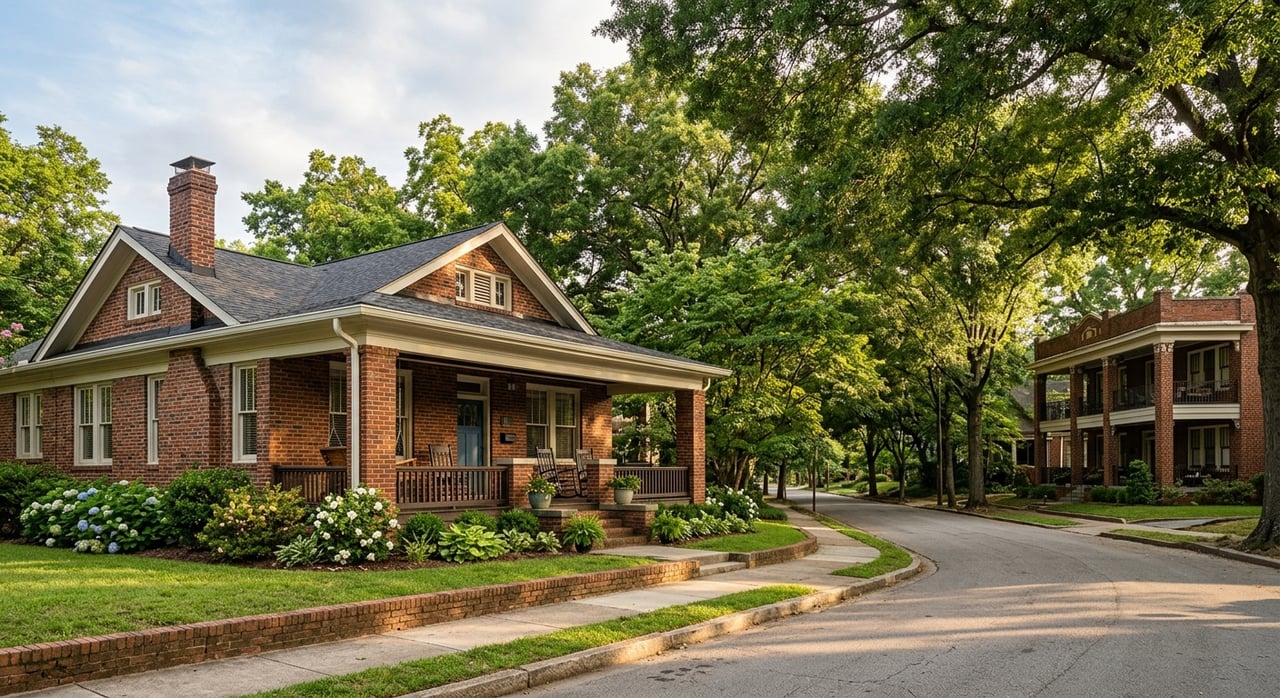
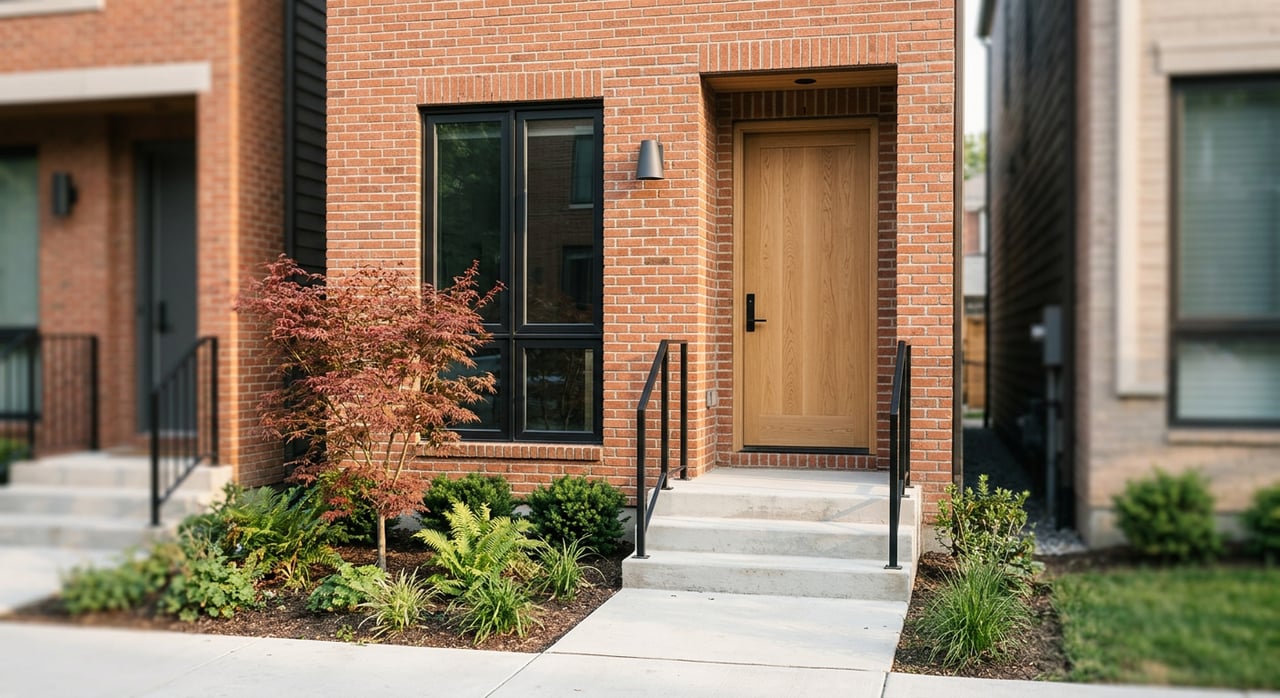
Kirkwood’s housing stock includes many Craftsman and American bungalows from the early 1900s through the mid-20th century. You’ll also find pockets of newer infill townhomes and single-family homes from the 1990s to 2010s that deliver more space and newer systems while keeping you close to the neighborhood core.
Bungalow benefits
- Classic charm with front porches, hardwoods, and thoughtful details.
- Smaller footprints often mean a lower entry price than larger renovated homes nearby.
- Room to add value with cosmetic updates or system upgrades over time.
- A yard and detached living feel that many buyers prefer.
Things to consider: Many pre-1978 homes may require system updates and careful inspections. Exterior maintenance and older materials call for a realistic repair and upkeep plan.
Townhome benefits
- Newer construction or updates typically mean modern systems and fewer near-term repairs.
- More square footage and an efficient layout, often with garages.
- Lower exterior maintenance when an HOA handles common areas and exterior elements.
- Predictable upkeep with community rules and standards.
Things to consider: Review HOA budgets, reserves, and rules. Monthly dues and any special assessments should fit your budget and lifestyle.
What attainability means in 2026
Price points in Kirkwood vary widely by location, size, and condition. A modest bungalow that needs updates can be a different entry point than a fully renovated Craftsman or a newer townhome on a quiet street. Market activity also shifts month to month, so any snapshot should include a clear date and a recommendation to review current comps.
Practical takeaway: decide early whether you want move-in ready convenience or a buy-and-update path. This clarity will guide your search, financing needs, and offer strategy.
Quick decision checklist
- Do you prefer a porch, yard, and classic details, or turnkey convenience and lower exterior maintenance?
- Are you comfortable managing contractors and timelines if the house needs upgrades?
- Does your budget have room for HOA dues, or is flexibility on improvements more important to you?
- Would a shorter commute to a MARTA rail station by bike or car support your daily routine?
Inspections for older homes you should not skip
Older homes can be great first purchases when you plan inspections well and budget for updates. Here are common items to prioritize in Kirkwood’s vintage bungalows and other pre-1978 homes:
- Lead-based paint: Federal guidance treats pre-1978 housing as likely to contain lead unless tested. If you plan to renovate, understand disclosure rules and safe-work requirements under EPA’s RRP program. Learn more in the EPA/HUD lead and RRP guidance.
- Electrical systems: Inspectors often flag knob-and-tube wiring or obsolete panels for safety and insurance reasons. Plan for evaluation and possible replacement. See the ASHI overview of knob-and-tube wiring considerations.
- Plumbing: Older homes may have galvanized supply, cast-iron sewer lines, or mid-century plastics like polybutylene. A sewer camera scope is a wise add-on. For context on problem materials, review this plumbing systems explainer.
- Foundations and drainage: Atlanta’s clay soils and seasonal moisture swings can cause settlement or movement. Focus on grading, gutters, crawlspace moisture, and any structural concerns. Explore local soils through the NRCS Web Soil Survey.
- Termites and wood pests: Georgia’s climate supports subterranean termites, so plan on routine inspections and, when needed, treatment and warranties. See UGA Extension’s termite materials in this overview.
- Asbestos and other hazards: Some older materials require specialized handling. Have qualified testing done before demolition or major work. Refer back to the EPA/HUD guidance.
Inspection checklist you can use
- Structural: foundation cracks, sagging floors, porch settlement, chimney movement.
- Envelope: roof age and flashing, gutters and grading, exterior wood rot.
- Systems: service size and panel type, heating and cooling age, water heater, plumbing materials and slope, sewer scope if concerned.
- Moisture and pests: termite tubes, crawlspace moisture, mold odors.
- Hazard testing: lead paint test for pre-1978 homes, asbestos testing if opening walls.
- Specialist reports: structural engineer for foundation issues, licensed electrician for older wiring, certified lead inspector for hazard assessment.
Budgeting tip: list big-ticket categories like roof, HVAC, rewiring, plumbing replacement, foundation work, and termite treatment. Get 2 to 3 bids and set a 10 to 20 percent contingency for surprises.
Writing a winning offer in Kirkwood
A prepared offer stands out. Here is a proven sequence for first-time buyers:
Get a full pre-approval. A lender-verified pre-approval carries more weight with sellers than a basic prequalification. Keep documents current and use a lender familiar with Georgia closings.
Line up funds. Have proof of earnest money and down payment at the ready. If you will use a down payment program, be sure your lender explains the timing so the funds can be reserved at contract.
Package your offer. Strong financing, solid earnest money, and clean but protective contingencies help. You can include a modest escalation clause or a limited appraisal-gap commitment, but understand the risk if the appraisal comes in low.
Use a thoughtful inspection strategy. Conservative approach: keep the full inspection contingency and negotiate repairs or credits for major items. Aggressive approach used in tight markets: shorten timelines or do a targeted pre-offer inspection if access is allowed. Never waive critical protections without a clear plan.
Add seller-friendly terms that fit your risk tolerance. Flexible closing dates or a short post-closing occupancy can help when appropriate. Avoid personal buyer letters that could introduce bias concerns.
Work with a local agent. Street-by-street comps and seller norms vary. Local knowledge helps you set price, timelines, and terms that match what sellers value.
Inspection timelines that fit you
- Conservative: keep full inspection rights, request major repairs or credits, and protect against unknowns.
- Competitive: shorten the inspection window or leverage a pre-offer inspection to inform a stronger bid. Only reduce protections after you understand the trade-offs.
Down payment help in DeKalb and Georgia
- WE DeKalb: This non-repayable grant can provide up to 3 percent depending on loan option for eligible buyers in DeKalb County. You must use an approved lender, complete the eligibility steps, and reserve funds after you are under contract. Start with the WE DeKalb program overview and eligibility quiz.
- Georgia Dream: The state’s program offers down payment assistance through second-loan options with income and price limits. Review requirements and participating lenders on the Georgia Department of Community Affairs homeownership page. Coordinate early with your lender to confirm timelines and documents.
Permits and preservation basics
Much of Kirkwood falls within a recognized historic district. The National Register listing itself does not control private changes, but City of Atlanta overlays or neighborhood design review can apply to exterior changes and additions. Before you plan major work, confirm permit requirements and any applicable neighborhood guidance. For background, see the Kirkwood Historic District documentation.
Your next steps
- Get pre-approved and decide whether you will use WE DeKalb or Georgia Dream assistance.
- Make a one-page inspection priority list with your agent so everyone knows your non-negotiables.
- Ask the listing side what the seller values most and shape your offer terms accordingly.
- If a renovation is likely, collect contractor referrals, obtain written bids, and confirm licenses and insurance.
Ready to map this to your budget and timeline in Kirkwood? We specialize in step-by-step guidance for first-time buyers, from lender and inspector referrals to smart offer strategy. Let’s connect and build your plan with Pam Breen.
FAQs
What makes Kirkwood bungalows unique for first-time buyers?
- Many are classic Craftsman or American bungalows with porches and hardwoods, offering character and potential to add value through updates while staying close to neighborhood amenities.
How does transit work if there is no MARTA station in Kirkwood?
- Bus routes and local streets connect you to nearby rail stations in East Lake and Edgewood/Candler Park, which many residents reach by bike or a short drive according to the Kirkwood overview.
Which inspections are must-do for pre-1978 homes in Kirkwood?
- Plan for a full home inspection plus targeted checks for lead-based paint, older wiring, plumbing materials, foundation and drainage, termites, and possible asbestos, using the EPA and ASHI guidance as references.
How does the WE DeKalb grant work with my mortgage?
- You apply through an approved lender, confirm eligibility, then reserve the grant after you go under contract; the non-repayable funds can reduce your required down payment within program rules listed on WE DeKalb.
Should I waive my inspection to win in Kirkwood?
- Waiving inspections increases risk; a safer approach is to shorten timelines or do a pre-offer inspection so you remain competitive while keeping protection against major structural or system problems.