If your workweek still points toward Atlanta, but your home search is pulling you north, Alpharetta deserves a close look. For many buyers, the goal is not just a shorter drive or a bigger house. It is finding a place where daily life feels easier, with practical commute options, more home styles to choose from, and enough amenities to make the tradeoff feel worthwhile. This guide walks you through what to know about buying in Alpharetta as an Atlanta commuter, from access and housing options to the districts that may fit your lifestyle best. Let’s dive in.
Why Alpharetta Works for Commuters
Alpharetta’s biggest advantage for Atlanta-bound buyers is regional access. According to Connected Alpharetta’s transportation overview, the city has five interchanges along GA 400: Mansell Road, Haynes Bridge Road, Old Milton Parkway, Windward Parkway, and McFarland Parkway. The city also notes proximity to I-285, I-85, and I-75, which helps if your work, meetings, or travel take you beyond one part of metro Atlanta.
That does not mean every commute will feel the same from every home. In practice, your day-to-day experience can change a lot depending on how close you are to GA 400 access, whether you plan to drive the full route, and how often you want transit as a backup. If commute efficiency is high on your list, this should be one of the first filters in your home search.
MARTA Options From Alpharetta
Driving is not your only option. The city says Alpharetta is served by five MARTA bus routes, including direct service to North Springs MARTA Station. From North Springs, the city lists approximate rail travel times of 10 minutes to Buckhead, 20 minutes to Midtown, 25 minutes to Downtown Atlanta, and 45 minutes to Hartsfield-Jackson.
For some buyers, that flexibility matters just as much as the drive itself. If you commute only a few days a week, split time between offices, or want an alternative for game days, airport trips, or event nights, nearby bus-to-rail access can be a meaningful part of the value equation.
What You Gain in Exchange
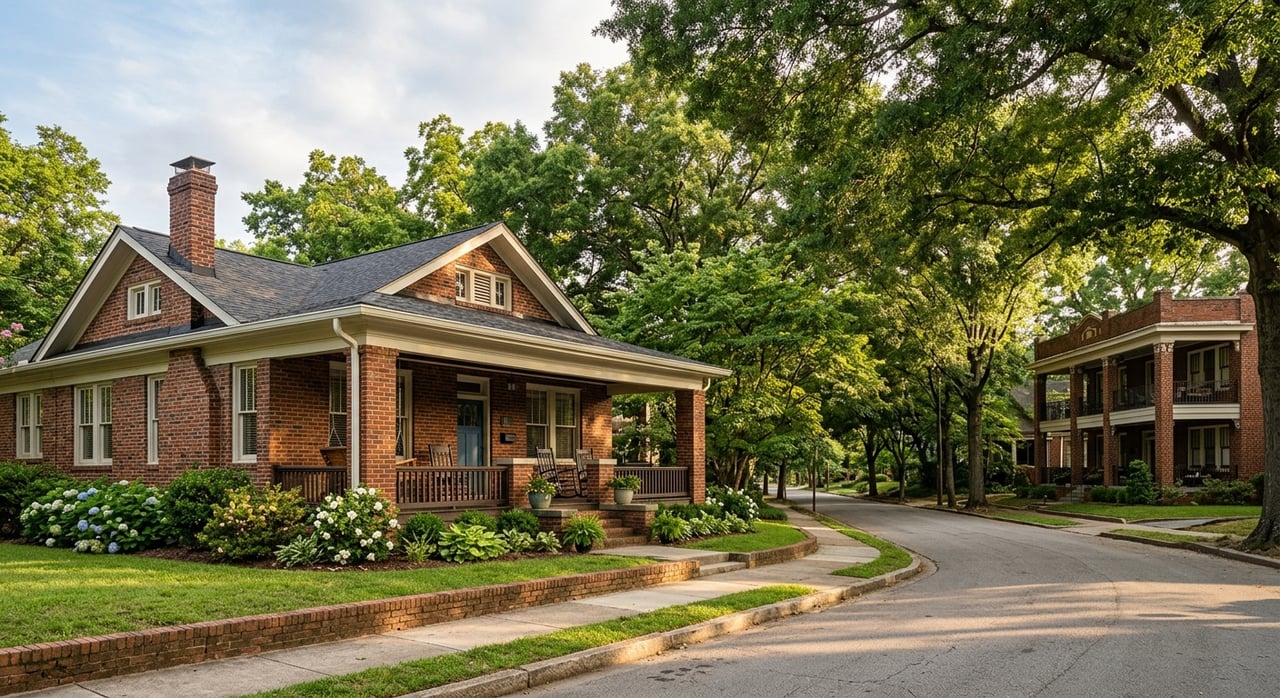
The Alpharetta lifestyle pitch is not based on commute access alone. The bigger appeal is that you can pair Atlanta connectivity with a more suburban daily rhythm, along with a strong lineup of parks, trails, dining, and mixed-use districts. That balance is one reason Alpharetta stays on the radar for buyers who want both convenience and breathing room.
The city highlights more than 30 parks, the Alpha Loop connecting Downtown, Avalon, North Point, and NorthWinds, and 12 miles of trail on the Big Creek Greenway. It also reports more than 300 food and drink establishments and over 150 special events annually. If your question is, “What do I get back for the commute?” those amenities are a big part of the answer.
Alpharetta Housing Options
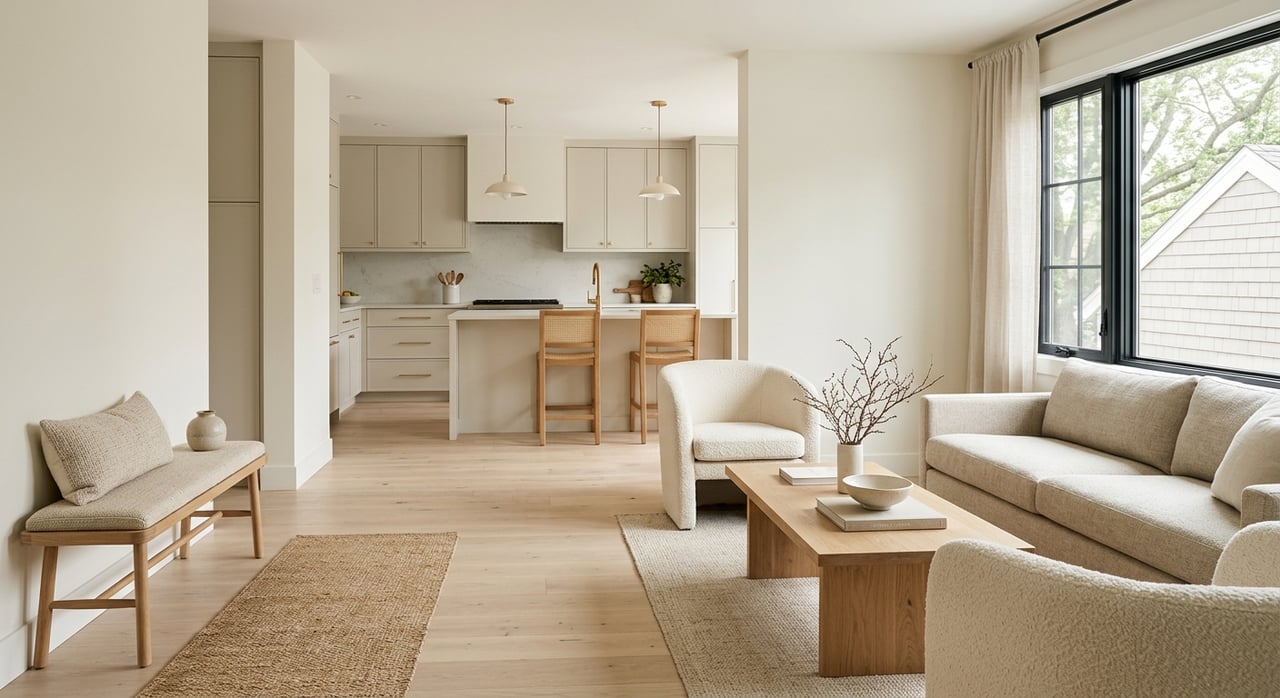
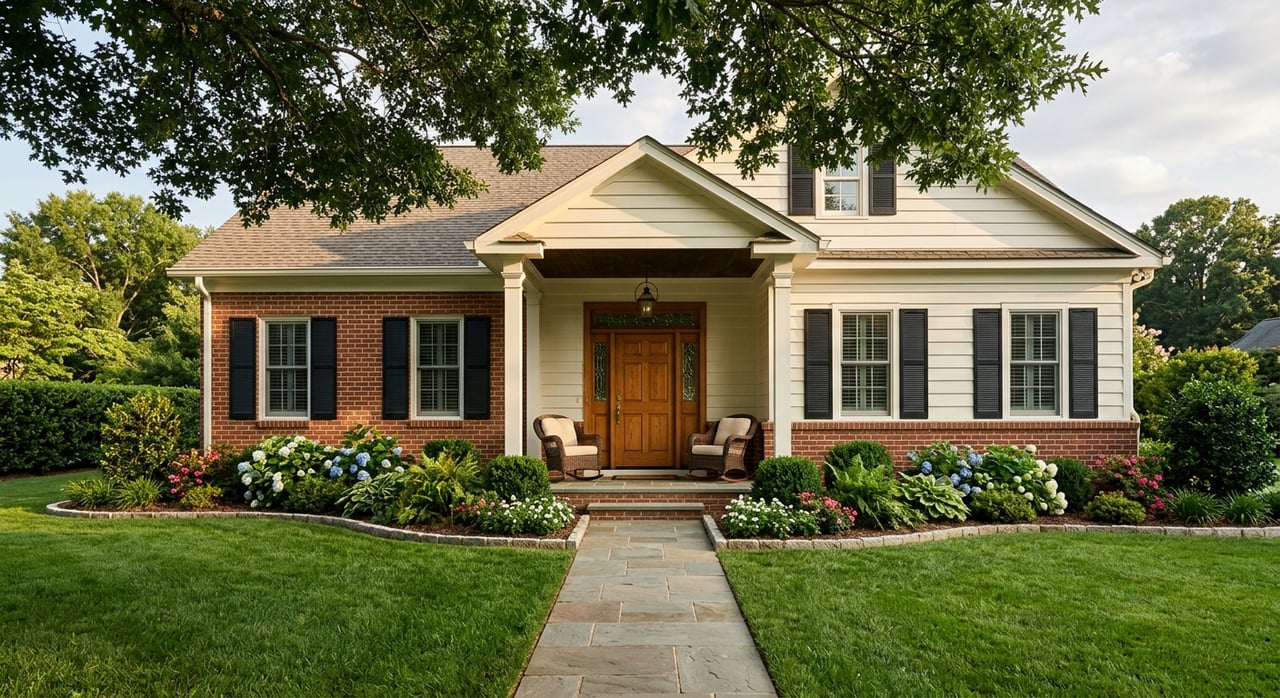
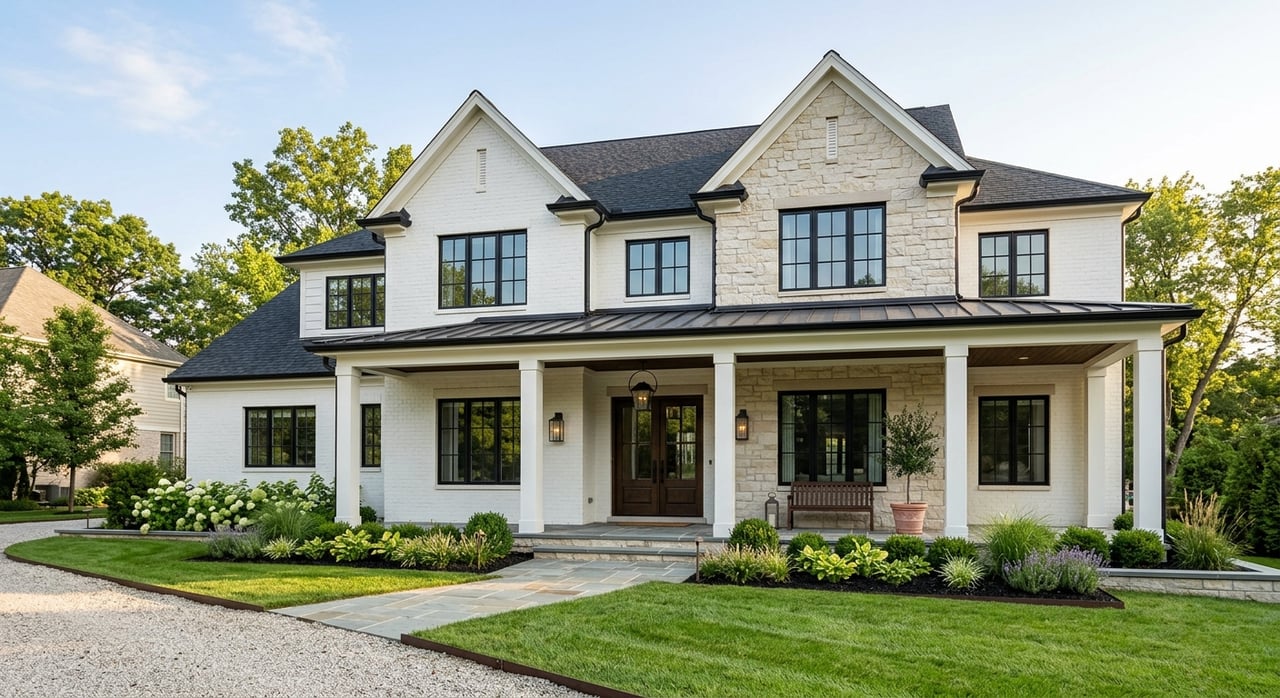
Your home search in Alpharetta can look very different depending on how much space, walkability, and maintenance you want. According to Connected Alpharetta’s housing page, buyers can choose from single-family homes, townhomes, condos, rentals, and apartments. The same page reports 25,994 housing units citywide, a median home value of $628,317, and a median contract rent of $1,753.
That data points to a market where buyers are often weighing lifestyle and product type as much as price alone. In other words, Alpharetta is not a one-size-fits-all suburb. You may be comparing a larger traditional house, a lower-maintenance townhome, or a home in a walkable mixed-use setting depending on your priorities.
The city also says nearly two-thirds of homes built in the past decade are located in walkable mixed-use districts with access to shops, restaurants, parks, and other amenities. That is especially useful if you want a newer home without giving up nearby activity and convenience.
Which Alpharetta Areas to Know
Downtown Alpharetta
Downtown Alpharetta is described by the city as a 280-acre walkable core with civic amenities and a live-work-play feel. You will find cafés, boutiques, breweries, art spaces, and City Center nearby, which can appeal to buyers who want a more active, connected setting.
For commuters, Downtown can be attractive if you want local energy close to home while still keeping Atlanta in reach. It may also suit buyers who want less of a purely residential subdivision feel and more of a district-style environment.
Avalon
The city describes Avalon as an 86-acre mixed-use district with shopping, dining, live events, residences, and office space. For buyers who like a polished, highly walkable environment, Avalon often stands out because so much of daily life can happen within the district.
This area can be a strong fit if you want newer residential options and easy access to restaurants, events, and offices in one place. It is also worth considering if low-maintenance living is more appealing than a larger yard.
Windward
Windward is one of the most established names in Alpharetta. The city describes it as more than 3,000 acres with a 200-acre lake, 44 residential neighborhoods, and thousands of jobs in the Windward Tech District.
That makes Windward especially relevant if you want to live near Alpharetta-area employers while still maintaining access to Atlanta. The city’s 2024 Windward and State Route 9 strategic master plan presentation also emphasizes trail connections, sidewalks, and easier access to offices and dining, which supports the area’s long-term daily livability.
North Point
North Point is a major commercial area with over 160 restaurants and retailers. The city’s long-term vision is to transform it into a more walkable mixed-use district, and Alpharetta’s planning and zoning page identifies the North Point LCI as one of the city’s primary regional activity centers.
For buyers, that means North Point is not just about what it is today. It is also about where the area is headed. If you value access to retail and restaurants and want to watch an evolving district over time, this is an area to keep on your shortlist.
How to Match Area to Lifestyle
The right part of Alpharetta often depends on what matters most after the workday ends. A few common buyer patterns look like this:
- If you want more space: focus on single-family options and established residential areas, including parts of Windward.
- If you want walkability: look closely at Downtown, Avalon, and other mixed-use settings.
- If you want lower maintenance: townhomes and condos may give you a simpler day-to-day routine.
- If you want local job access too: prioritize areas near Windward, Downtown, Avalon, or North Point.
- If you want flexibility: search with both highway access and MARTA connection points in mind.
This is where a clear home-search strategy matters. Two homes at similar price points can offer very different tradeoffs in commute patterns, nearby amenities, and daily convenience.
Why Alpharetta Still Feels Evolving
One reason Alpharetta gets attention from thoughtful buyers is that it is not standing still. The city’s planning work includes the Downtown Circulation Study, which focuses on pedestrian and bicycle connections, transit presence, parking strategies, and redevelopment. The same page also highlights long-range work in North Point and other key corridors.
For buyers, that matters because you are not only purchasing a home. You are also choosing a place with ongoing investment in mobility and district planning. While no future outcome is guaranteed, the city’s published priorities show that connectivity and livability remain central to how Alpharetta is growing.
Smart Questions to Ask Before You Buy
Before you move forward in Alpharetta, it helps to narrow your search around a few practical questions:
- How many days each week will you commute into Atlanta?
- Do you want a drive-only routine, or would MARTA access help?
- Would you rather have a larger home, a newer home, or a more walkable location?
- How important are trails, parks, dining, and events to your daily life?
- Do you want to be near Alpharetta job centers as well as Atlanta routes?
These questions can quickly clarify which neighborhoods, home types, and price ranges make the most sense for you.
The Bottom Line for Buyers
If you want a home base that keeps Atlanta accessible while offering a more suburban lifestyle, Alpharetta gives you several credible ways to make that work. Its strength is not just GA 400 access or MARTA connections on their own. It is the combination of regional connectivity, varied housing choices, local employment corridors, and an unusually strong lineup of parks, trails, dining, and events.
As you weigh options, the key is to match your home search to how you actually live. If you want help comparing Alpharetta districts, sorting through commute tradeoffs, and building a smart buying plan, Pam Breen is here to guide you with clear, local insight and a steady process.
FAQs
Is Alpharetta a good choice for Atlanta commuters?
- Yes. Alpharetta offers five GA 400 interchanges, proximity to major interstates, and MARTA bus service to North Springs, giving many buyers multiple ways to stay connected to Atlanta.
What housing types can buyers find in Alpharetta?
- Buyers can find single-family homes, townhomes, condos, apartments, and rentals, with many newer homes located in walkable mixed-use districts.
Which Alpharetta areas are best known for walkability?
- Downtown Alpharetta and Avalon are the clearest city-identified walkable mixed-use districts, and North Point is also being planned for a more walkable future.
Is Windward a smart area for buyers working in Alpharetta?
- Windward is one of Alpharetta’s key live-near-work corridors, with 44 residential neighborhoods and thousands of jobs in the Windward Tech District.
What amenities make Alpharetta appealing beyond the commute?
- Alpharetta offers more than 30 parks, the Alpha Loop, 12 miles of Big Creek Greenway trails, over 300 food and drink establishments, and more than 150 special events each year.