Buying your first home in Buckhead can feel exciting and a little overwhelming at the same time. If you are deciding between a condo and a townhome, you are likely balancing price, monthly costs, upkeep, and the kind of day-to-day lifestyle you want. The good news is that Buckhead offers both, and each can be a smart first step depending on your budget and priorities. Let’s break down what matters most so you can compare your options with more confidence.
Buckhead Price Differences
For many first-time buyers, price is the first big divider between condos and townhomes in Buckhead. Current listing data shows about 558 condos with a median listing price of $315,000, compared with 63 townhomes at a median listing price of $627,000. Those numbers are directional, not exact apples-to-apples comparisons, but they still point to a clear pattern: condos are often the lower-cost entry point.
That said, Buckhead has a wide range in both categories. Current condo listings stretch from under $200,000 to more than $900,000, while townhomes range from the low $300,000s to well above $1 million. In other words, the property type alone does not tell you whether a home will fit a first-time buyer budget.
Buckhead’s broader market also helps put these numbers in context. The all-home median sale price was $672,500 in March 2026. If you are aiming to get into Buckhead at a lower purchase price, a condo may open more doors, but some townhomes can still fall into a manageable range depending on location, size, and condition.
Ownership Works Differently
How condos are structured
With a condo, you own your individual unit and share ownership of common elements with other owners in the community. That usually includes things like hallways, elevators, exterior walls, amenities, and shared grounds. In Georgia, each condo owner also has an undivided interest in those common elements, and association assessments are a personal obligation that can become a lien.
This structure often means less direct responsibility for exterior upkeep. It also means your monthly condo fee is not optional. Those dues can help pay for items like exterior repairs, common-area maintenance, water, sewer, trash, insurance, amenities, and reserve funds.
How townhomes can vary
Townhomes are not always governed the same way. In Georgia, many lot-based communities fall under a property owners’ association structure, but the exact setup depends on the recorded declaration and title documents for that community. That is why two Buckhead townhomes that look similar from the street may come with very different ownership and maintenance responsibilities.
For you as a buyer, that means it is important to review more than the floor plan. You want to know what you own, what the HOA maintains, and what costs may fall directly on you over time.
HOA Fees Matter More Than Many Buyers Expect
If you are comparing condos and townhomes, monthly dues deserve just as much attention as the purchase price. HOA or condo fees are usually paid directly to the association, not rolled into the mortgage payment. That can make your real monthly carrying cost look very different than a simple mortgage estimate.
In current Buckhead listings, condo HOA fees commonly fall in the $570 to $807 range and can go above $1,500 in more amenity-rich buildings. Townhome HOA fees in the current sample range from about $300 to $1,500. That overlap is important because a townhome does not automatically mean lower dues.
When you compare options, ask what the fee actually covers. A higher condo fee may include more services and fewer direct maintenance tasks, while a lower townhome fee may leave more responsibilities with you. The monthly number only tells part of the story.
Lifestyle Fit Often Decides It
Why some first-time buyers prefer condos
A condo can make sense if you want the lowest typical purchase price in Buckhead and like the idea of a more amenity-focused setup. Many Buckhead condos advertise features like pools, gyms, concierge service, gated parking, and included or partially included building services. If convenience is high on your list, that can be a major plus.
Condos also tend to appeal to buyers who want less hands-on exterior maintenance. If you like the idea of locking the door and not worrying as much about outside upkeep, a condo may fit your lifestyle well.
Why some first-time buyers prefer townhomes
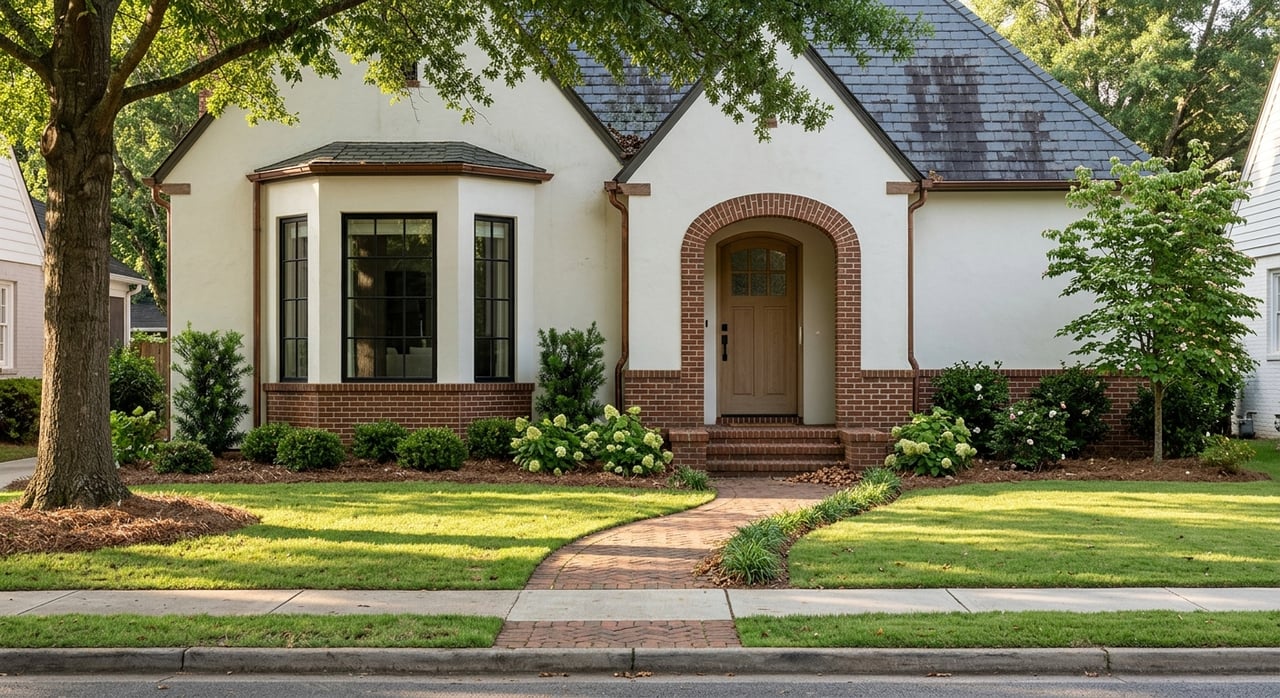
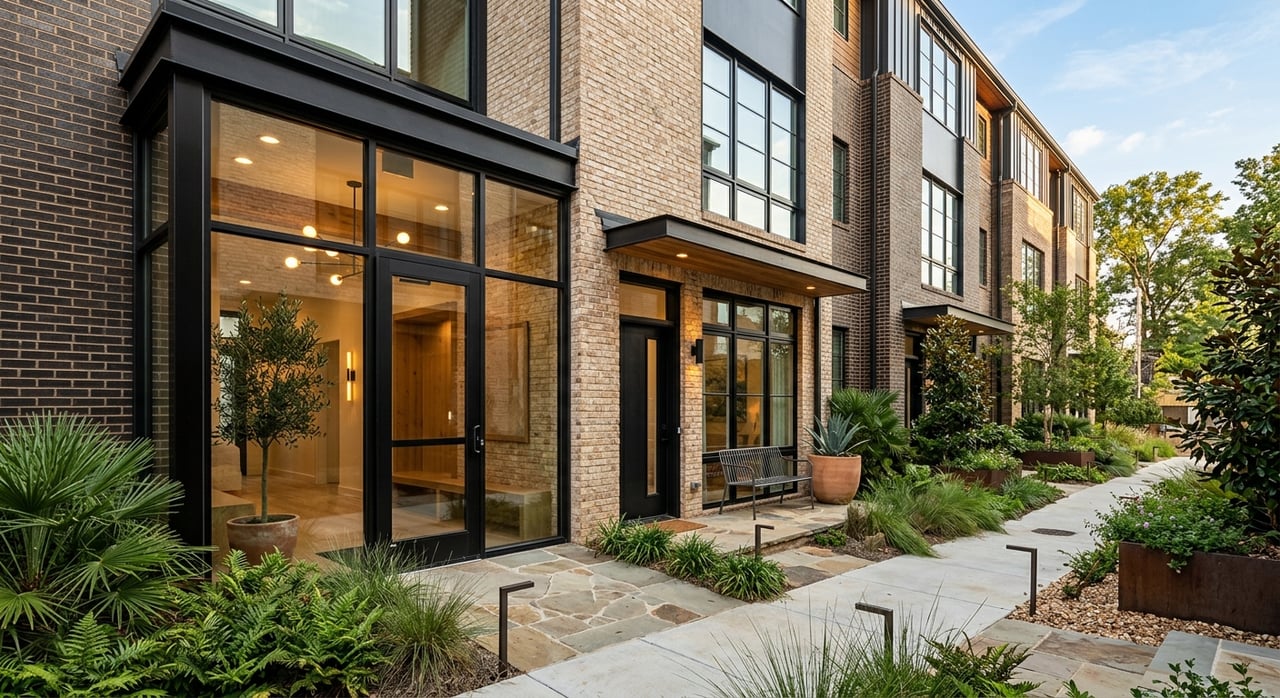
A townhome can be a better fit if you want more square footage, a garage, or a more house-like layout. Current Buckhead townhome listings often highlight features like multiple levels, private courtyards, and lock-and-leave convenience. For some buyers, that balance between attached living and added space feels like the right middle ground.
Townhomes can also appeal to buyers who want a little more separation between living areas, work space, and storage. If you expect to stay in your first home for several years, that added flexibility may matter a lot.
Location Patterns in Buckhead
Buckhead condos and townhomes often sit closer together than many buyers expect, but there are still some useful patterns. Current condo inventory tends to cluster along Peachtree Road, Lenox Road, Pharr Court, Sidney Marcus, Pine Tree, and Oak Valley. Many of those areas are near Buckhead Village, Lenox, and the GA 400 and MARTA corridor.
Townhome inventory appears in somewhat broader pockets, including Lenox Road, Southwell Street, Roswell Road, Canterbury Overlook, Alden Avenue, Buckley Way, and Rivers Edge. That gives you options in both the central Buckhead core and nearby residential pockets.
The City of Atlanta’s neighborhood map and district layout place areas like Buckhead Forest, Buckhead Village, Lenox, North Buckhead, Peachtree Heights East and West, Peachtree Hills, Peachtree Park, Pine Hills, Ridgedale Park, and Garden Hills around the commercial spine. Active projects along PATH400, Peachtree Road, Lenox Road, and Piedmont Road also reinforce Buckhead’s walkable, transit-connected core. For a first-time buyer, that means your choice may come down less to condo versus townhome and more to how you want to live day to day.
Market Pace and Competition
Current listing data suggests townhomes may be moving a bit faster than condos in Buckhead. Condos are averaging about 79 days on market, while townhomes are around 60 days. That is not an extreme gap, but it may suggest that some townhomes are facing slightly stronger competition.
For you, this matters in two ways. First, a condo search may offer a bit more time to compare options. Second, if you are targeting a well-priced townhome in a popular pocket, preparation can be especially important.
What to Review Before You Write an Offer
For first-time buyers, the smartest comparison tool is not just property type. It is the full monthly cost, legal structure, and financial health of the association behind the home. That is especially true in Buckhead, where condos and townhomes can sit on similar streets but operate very differently.
Before you move forward on either option, ask these questions:
- What does the HOA fee cover?
- Are there any special assessments?
- Is the association financially stable?
- For a condo, is the project warrantable?
- Are there pending lawsuits, deferred maintenance issues, or insurance gaps?
- What parts of the property are your responsibility to maintain?
- How do parking and storage work?
These questions are especially important for condos because project-level issues can affect financing. Fannie Mae highlights concerns such as critical repairs, inadequate insurance, pending litigation, and projects that operate more like hotels or short-term-rental buildings. Those factors can affect whether a condo is eligible for financing and how much risk you may be taking on as an owner.
A Simple Way to Choose
If your top goal is entering Buckhead at the lowest typical price point, with amenities and less exterior upkeep, a condo may be the stronger fit. If your top goal is more room, a garage, and a more house-like feel within an attached-home format, a townhome may make more sense.
The best first home is not always the one with the lowest listing price or the most square footage. It is the one that fits your budget, your comfort with monthly costs, and the way you actually want to live. In Buckhead, that usually means looking beyond the label and focusing on total carrying cost, maintenance responsibilities, location, and association health.
If you want a clear, step-by-step comparison of Buckhead condos and townhomes that match your budget and lifestyle, Pam Breen would be glad to help you sort through the options with a practical, local perspective.
FAQs
What is usually more affordable in Buckhead for a first-time buyer, a condo or a townhome?
- Current listing data shows Buckhead condos at a median listing price of $315,000 and townhomes at $627,000, so condos are generally the more affordable starting point.
What do HOA fees usually cover in a Buckhead condo?
- Condo fees often help cover exterior repairs, common areas, water, sewer, trash, insurance, amenities, and reserve funds, but the exact coverage varies by building.
Are Buckhead townhomes always lower maintenance than single-family homes?
- Not always. Some townhome communities handle more exterior maintenance through the HOA, while others leave more responsibility with the owner, so you need to review the community documents carefully.
Why does condo financing in Buckhead sometimes require extra review?
- Condo financing can be affected by project-level issues such as critical repairs, inadequate insurance, pending litigation, or other factors that impact whether the condo is considered warrantable.
Where are many Buckhead condos and townhomes located?
- Current condo listings cluster along areas like Peachtree Road, Lenox Road, Pharr Court, Sidney Marcus, Pine Tree, and Oak Valley, while townhomes appear in areas such as Lenox Road, Roswell Road, Southwell Street, Canterbury Overlook, Alden Avenue, Buckley Way, and Rivers Edge.
Should you compare condos and townhomes by price alone in Buckhead?
- No. It is more useful to compare total monthly carrying cost, HOA coverage, parking, walkability, maintenance responsibilities, and the association’s financial health.